Highland sits in a quiet corner of Utah County where the Wasatch Mountains rise sharply to the east and Utah Lake spreads out flat and silver to the southwest — and that geography shapes how people here spend their free time. Families from Highland and the surrounding Alpine corridor own boats, trailers, ATVs, campers, and recreational vehicles at rates that would surprise most outsiders. These aren't seasonal hobbies. They're a central part of the lifestyle that draws people to this end of the valley in the first place. But owning a boat or a recreational vehicle in Highland comes with a practical problem that most buyers don't fully consider until they're home with the keys: where does it go?
Most neighborhoods in Highland are built on the assumption that driveways hold passenger vehicles, not twenty-six-foot ski boats or Class C motorhomes. Highland City Code Section 12-10-030 addresses this directly, restricting the storage of recreational vehicles and trailers that are visible from public streets — a regulation that catches many new boat owners off guard. The ordinance isn't designed to inconvenience anyone; it reflects the community's investment in its neighborhoods and property values. But it does mean that the question of storage isn't optional. It's something every Highland boat or RV owner has to solve.
The most common short-term fix — asking a neighbor with a larger lot, or squeezing the trailer behind a fence — rarely holds up past the first season. Long-term, dedicated storage at a nearby facility is the practical answer, and it's also the better one for the vehicle itself.
Not all storage facilities handle boats and oversized recreational vehicles the same way, and the differences matter when you're leaving something valuable in place for weeks or months at a time. The primary consideration for most Utah County boat owners is protection from the elements. Highland's winters are legitimate. The valley floor sees its first hard freeze typically in mid-to-late October, and snow can accumulate from November through March without much interruption. A boat left uncovered through those months — with residual water in the engine block, hull fittings, or ballast tanks — is a boat that will need attention before it's ready to run come June.
Covered and enclosed storage options protect against the freeze-thaw cycle that does the most cumulative damage to fiberglass hulls, rubber seals, and onboard electronics. For vehicles with significant engine investments — inboard motors, outboards, or sterndrive units — the difference between covered and uncovered storage over a five-year period is measurable in maintenance costs.
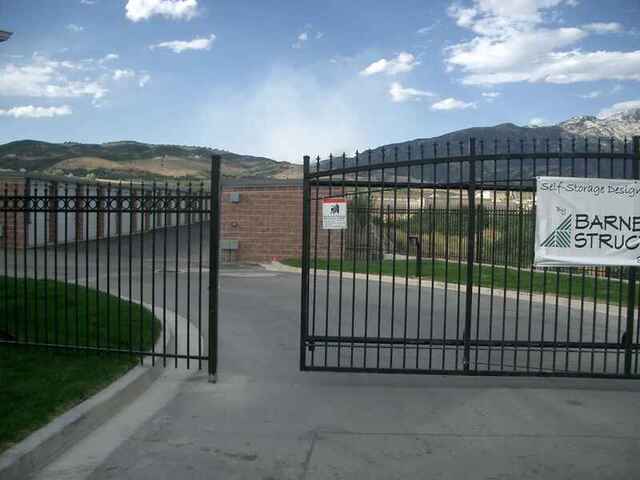
Beyond the winter question, security matters. A storage facility that offers gated access, surveillance, and individual access codes isn't just a convenience. It's a reasonable expectation for anyone storing a boat worth more than their first car.
The families who pull out of American Fork Harbor on a Saturday in July — Utah Lake's peak season — have typically spent weeks or months planning for that access. A proper off-site storage arrangement makes that routine much smoother. You can pull the boat from the facility, run it to the harbor, and have it back in its spot by early evening without any of the coordination required when you're working around a crowded driveway or a neighbor's schedule.
There's also the matter of year-round vehicle turnover. Many Highland residents store a boat for the summer season and a snowmobile trailer for the winter. Having a facility that can accommodate both — or that has flexible unit options across different vehicle types — simplifies the calendar considerably.
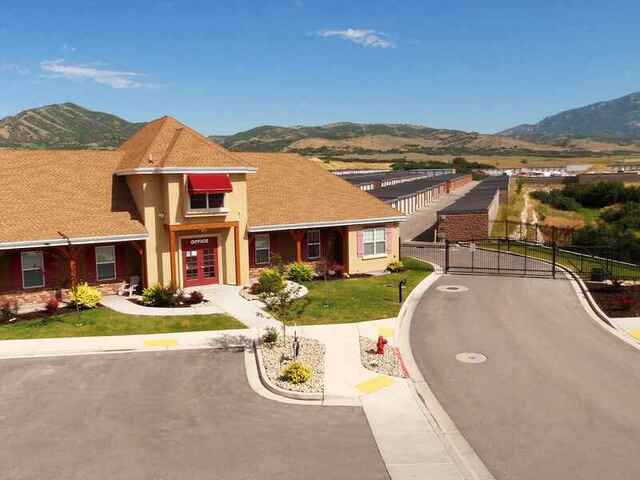
Highland Hideaway Storage offers covered boat and vehicle storage with the access, security, and unit variety that makes this kind of seasonal rotation straightforward. The facility is designed for the way Utah County families actually use their recreational vehicles — with enough flexibility to handle a 22-foot bowrider, a trailer with a pair of personal watercraft, or a full-size RV without the owner having to choose between options.
One category of storage that deserves its own consideration is temperature-controlled space for vehicles with electronics-heavy interiors or high-end engine systems. Modern boats — particularly wakeboard boats and offshore performance vessels — carry more computerized equipment than they did a generation ago. Chartplotters, digital throttle systems, sound equipment, and charging systems all have operating temperature ranges, and extended exposure to Highland's winter cold or summer heat can shorten their service life.
For owners in this situation, temperature-controlled storage units at Highland Hideaway represent a meaningful upgrade over standard outdoor parking. The environment stays regulated year-round, which means the equipment inside the vehicle stays within the ranges it was designed for.
No discussion of boat storage in Utah County is complete without acknowledging Deer Creek Reservoir and Lake Powell. Deer Creek — about twenty-five miles southeast via US-189 — draws consistent traffic from Highland families with trailer-able boats throughout the season. Lake Powell, roughly four hours south, is a longer commitment but one that many Utah County families make multiple times each summer. Storing a boat locally and trailering it to either destination is a well-worn routine in this area, and it underscores why access and convenience from the storage facility matters. A facility that makes retrieval straightforward on a Friday afternoon is one you'll actually use the way you intended.